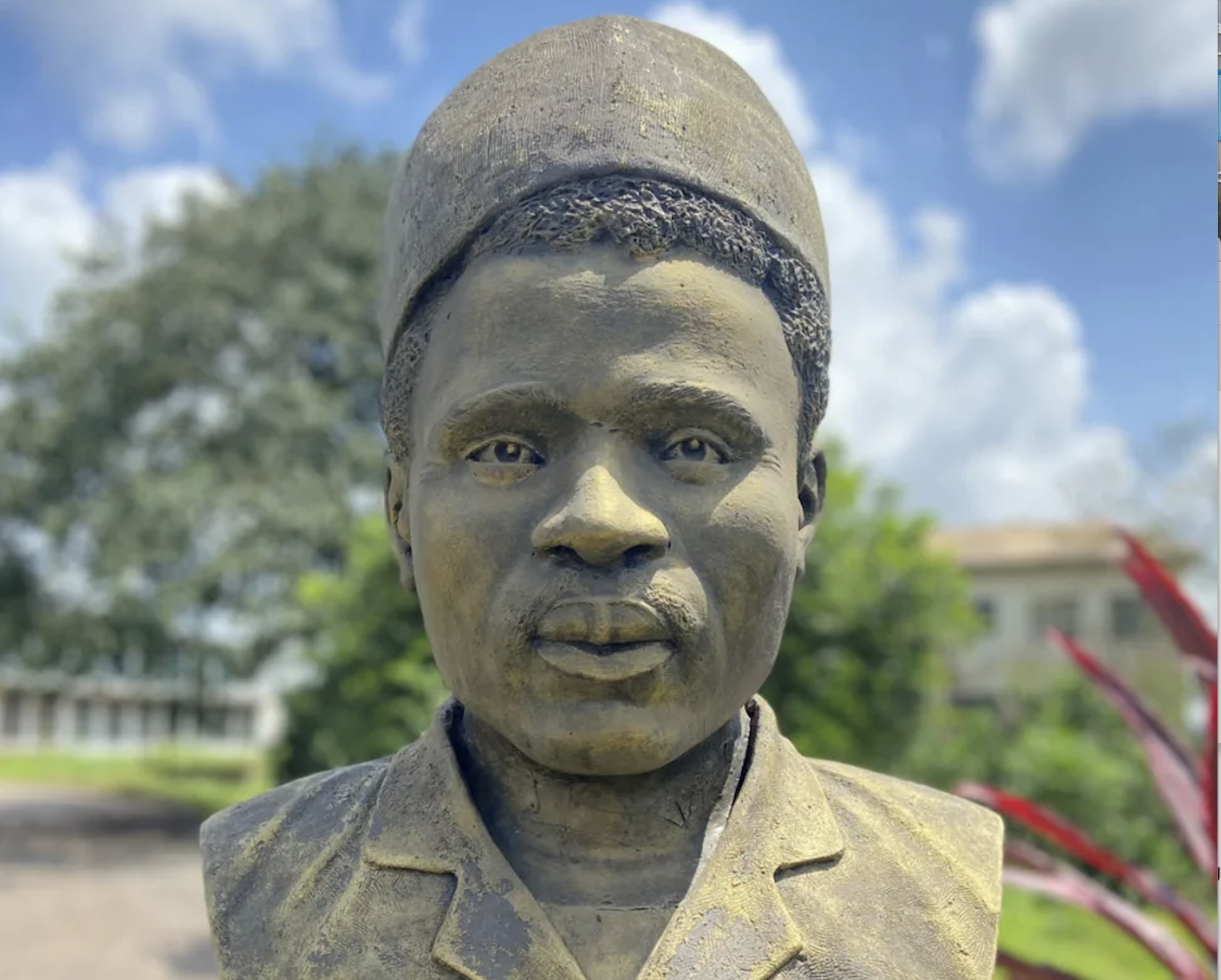
Rachid Badreddine
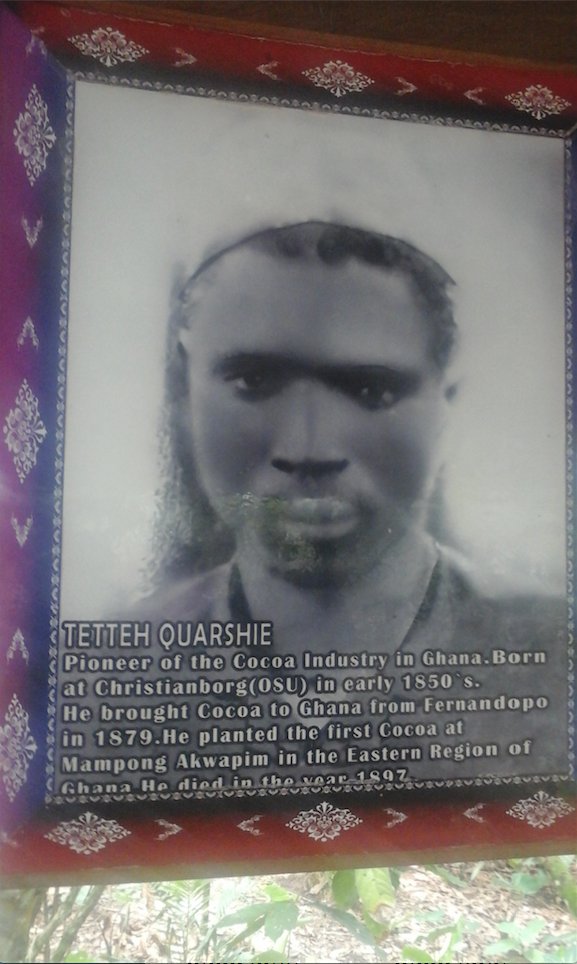
In the history of nations, there are moments when one individual changes the destiny of an entire people. For Ghana, this figure was no king or general, but a humble blacksmith named Tetteh Quarshie (1842–1892), whose introduction of cocoa transformed his country’s economy. Born in Osu to a farmer under harsh circumstances, Quarshie spent part of his youth as a “pawn” in a local debt servitude system before missionary Heinrich Boner of the Basel Mission freed and trained him as a skilled blacksmith.
The Great Adventure: Seeds Hidden in Pockets
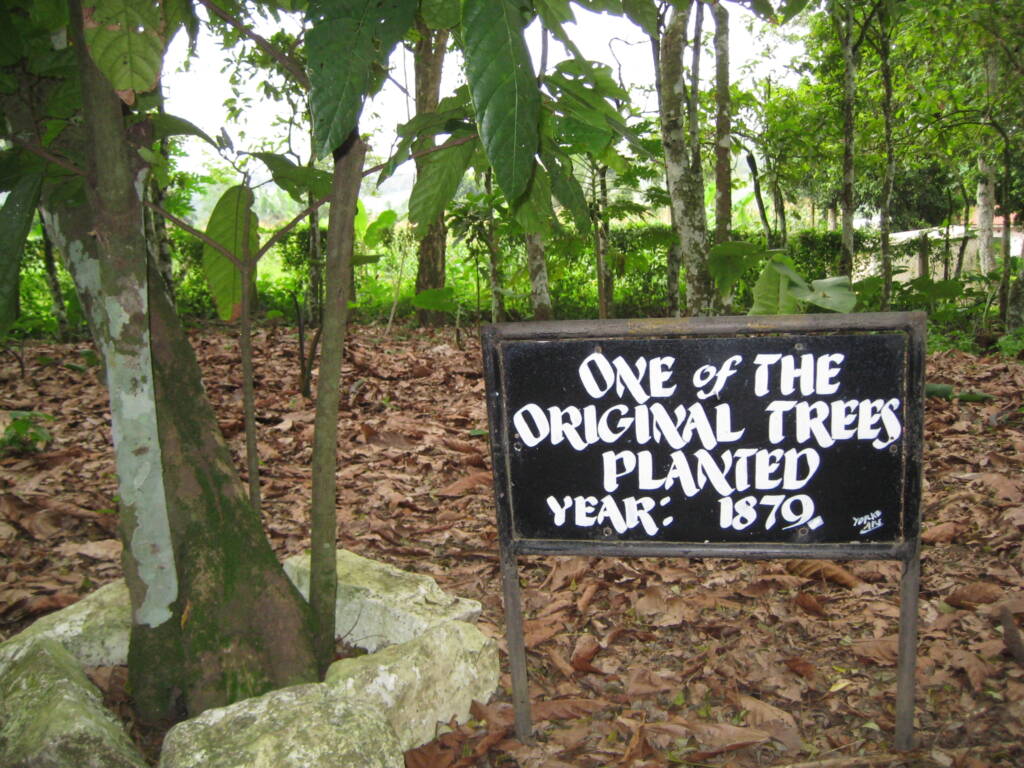
Quarshie’s life began under hardship, yet his talent as a blacksmith opened doors. In 1870, he traveled to Bioko (then Fernando Po), where he first encountered cocoa pods tightly controlled by the Spanish Empire. Sensing their potential for his homeland, Quarshie returned around 1879—smuggling seeds past colonial export bans—and planted them in Mampong-Akuapem.
The “Shade” Battle: Peasant Genius vs. Missionary Error
Settling in the Mampong Hills, Quarshie planted his first seeds. His agricultural genius shone: while the Basel Mission failed repeatedly—exposing seedlings to scorching sun—Quarshie knew cocoa trees needed shade to thrive. His farm succeeded, and he freely distributed saplings to Akuapem neighbors, sparking widespread cultivation.
Economic Transformation
Once planted, the impact rippled nationwide:
Humble beginnings: Ghana’s first export (1891, year before Quarshie’s death) was just 80 kg.
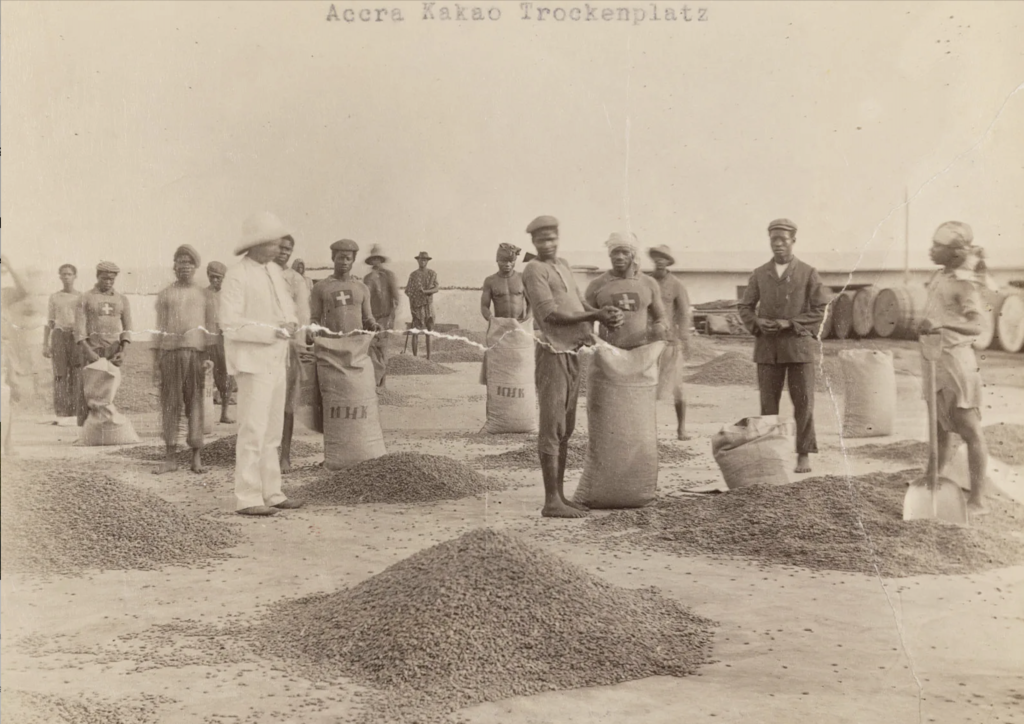
The leap: Small family farms, inspired by his method, made Ghana theworld’s top producer by 1911.
Today: Cocoa drives ~30% of exports, supporting over 800,000families and funding infrastructure.
| Milestone | Year | Impact |
| First seeds planted | 1879 | Commercial farming begins |
| First export | 1891 | 80 kg shipment |
| World #1 producer | 1911 | Family farm model succeeds |
| Peak dominance | 1910-1980 | Nearly 50% global supply |
The Hero’s Tragedy: Poor Amid “Golden Hills”
Despite gifting his nation billions in future wealth, Quarshie died poor on Christmas Day 1892. Colonial laws denied him recognition; his family lived in poverty. In 1926, they petitioned Governor Gordon Guggisberg without success, receiving only £250 in 1928—while firms like UTC reaped fortunes from his crop.
Belated Justice
Today, Tetteh Quarshie is Ghana’s national hero, with hospitals, squares, and his Mampong farm as a heritage site honoring the blacksmith who mastered shade to illuminate his country’s future.